Drawing workers from a nearby recovery home delivers mutual benefits
Bethlehem Die Cutting
Background
New Albany’s Bethlehem Die Cutting is a little company with big impact in the lives of some of its employees. A division of Kyana Packaging & Industrial Supply, Bethlehem Die Cutting typically employs about 15, including a number of employees drawn from a recovery home just a few blocks from the plant. The connection has been a win-win, giving women a second chance and putting a reliable worker pipeline just blocks away from the plant’s doors.
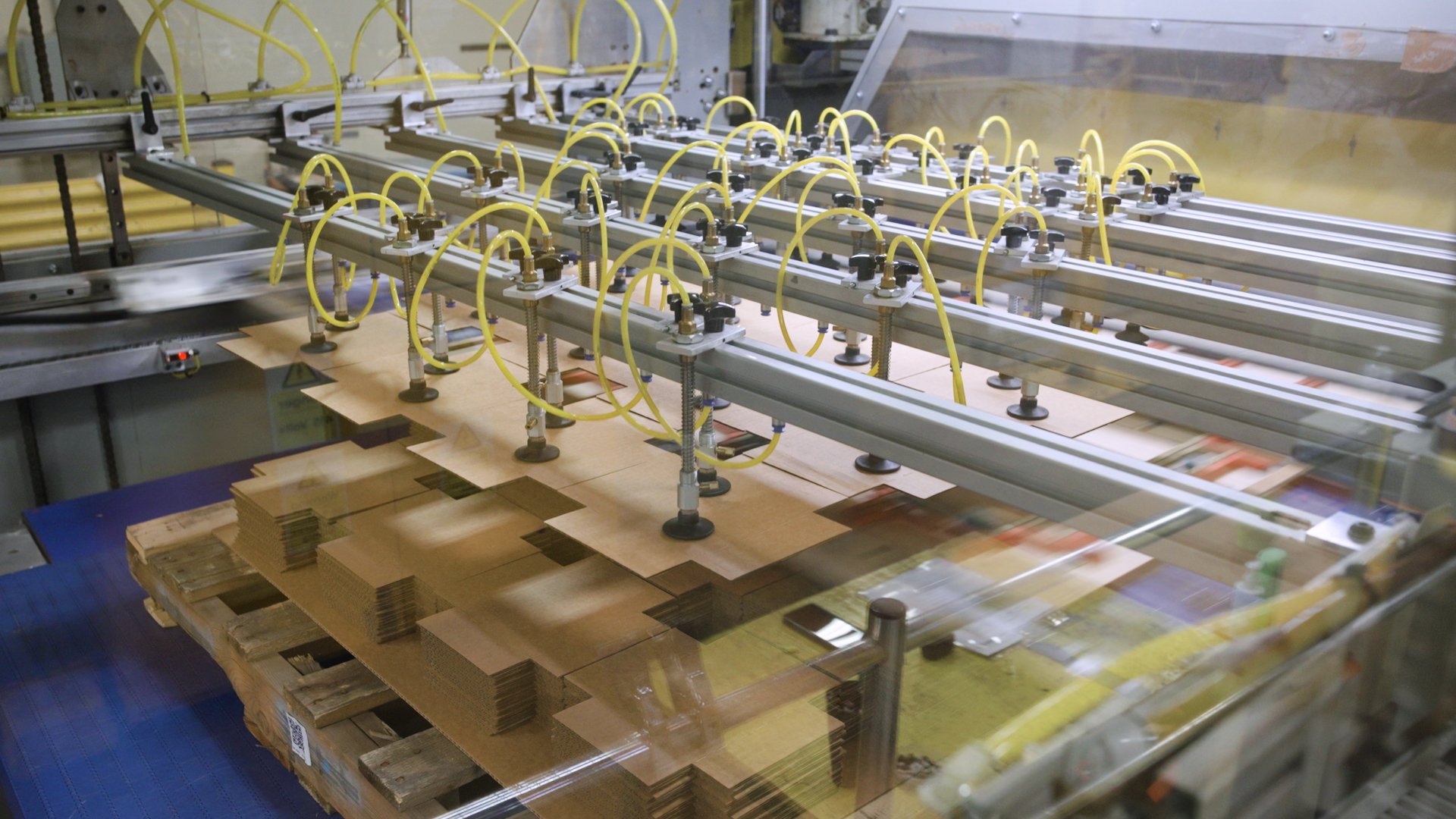
Bethlehem Die Cutting has been creating packaging and industrial products for about 20 years, slicing and shaping non-ferrous materials into boxes, inserts, trays, pads, partitions and more. Acquired by Kyana seven years ago, Bethlehem Die Cutting has proven to be one of its parent company’s top performers thanks to a focus on growth and continuous improvement. Aided by a Manufacturing Readiness Grants award, the company has been modernizing its operations and investing in new equipment and technology that will increase its capacity and accelerate the design and testing process for new products.
With these investments, Bethlehem Die Cutting has posted consistent growth, but its leaders also attribute their bottom-line success to a reduction in expenses, including reductions in manpower costs – a result they attribute in part to the dedicated workers they get from The BreakAway.
Challenges and Solutions
When a new plant manager came onboard four years ago, he found himself leading a good team but wanted to build an even more talented and dependable workforce for the future.
As a small operation, Bethlehem Die Cutting has not experienced workforce shortages as dramatic as other advanced manufacturing companies. In fact, Plant Manager Jason Bohannon says that, when he joined Bethlehem Die Cutting from the parent company four years ago, he found the company had an excellent production staff. Nonetheless, he started working to add even better, dependable talent and to be well-prepared for inevitable turnover. He quickly discovered that one of his best resources for talent already provided workers to Bethlehem: The BreakAway, a nearby home for women recovering from substance abuse.
Launched in 2017, The BreakAway provides a home and web of support services to up to 14 women at a time in a house just a few blocks from Bethlehem’s doors. And while The BreakAway and Bethlehem Die Cutting do not have any kind of formal contract for putting the women to work, they have collaborated to provide jobs for several women.
Since employment is one of the expectations of women staying at The BreakAway and many don’t have transportation, Bethlehem Die Cutting is a great fit for The BreakAway’s needs. Also, since the women are being coached on self-improvement and regularly drug-tested, they show up motivated and cleared for work. Further, some of the women are coming out of incarceration and they’re hoping to put together a new life, so they tend to be hard-working, enthusiastic and eager.
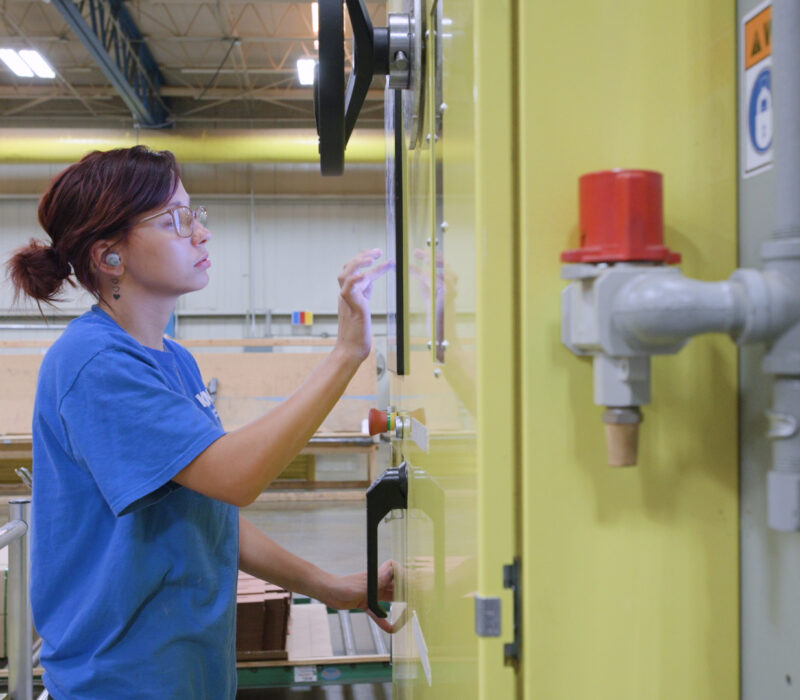
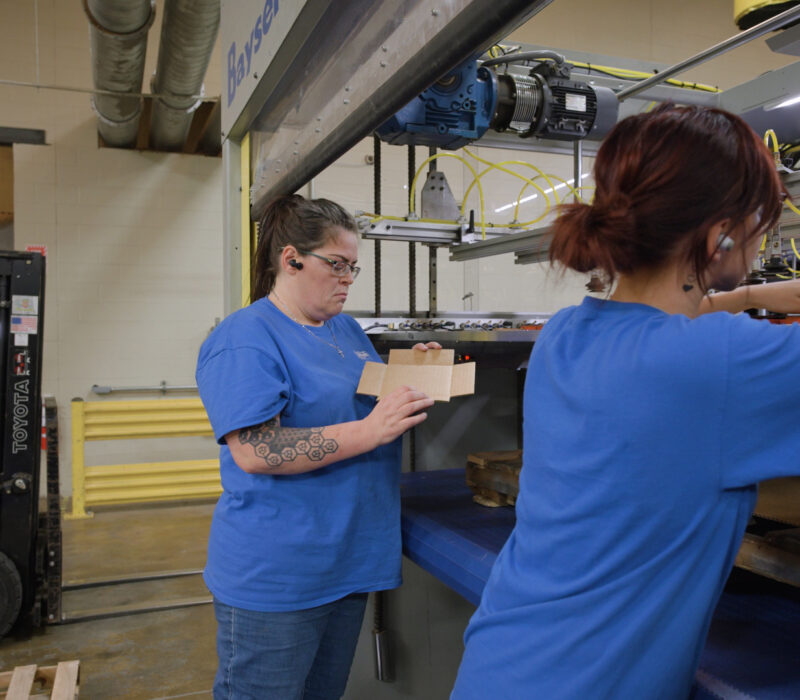
The women from The BreakAway are treated like any new employee. They typically start as a production assistant, a basic-entry-level position, but are trained in other tasks because Bethlehem Die Cutting wants everyone on the team to be able to run just about every machine on the plant floor. “We’ve got people who are just graduating the recovery program and they’re running half-a-million-dollar machines,” Bohannon says. “That’s extremely empowering.”
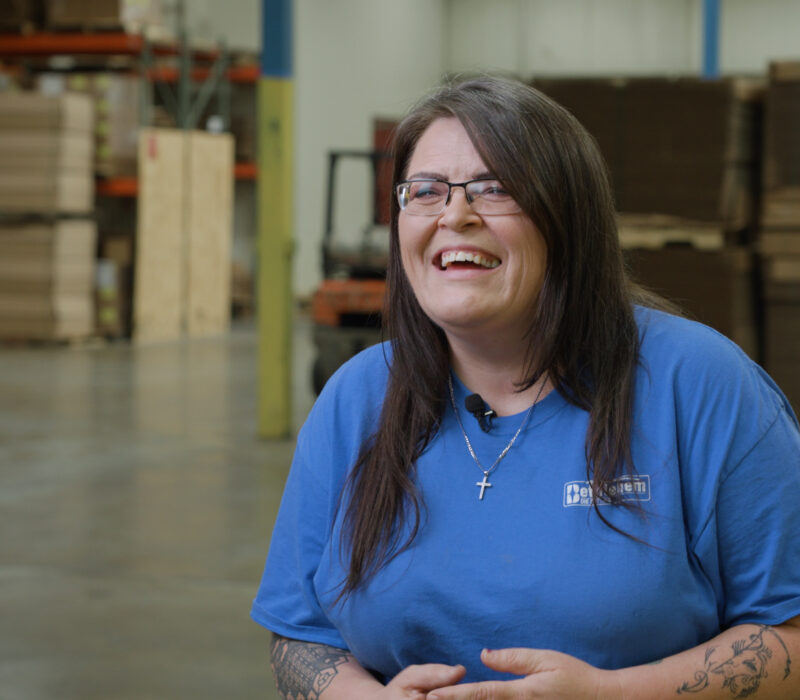
April Campbell – whose title is Safety Coordinator but who says, “I wear many hats” – came to Bethlehem Die Cutting from The BreakAway five years ago. Having recently gotten out of jail, she said she “just stumbled onto this place” and applied. Like others, she got hired as a production assistant and she soon worked her way into roles as machine operator, forklift driver and back-up truck driver. She sings the company’s praises for the way it helps the women from The BreakAway, and she happily notes that her pay has nearly doubled since she started.
Bohannon says that thanks to Campbell’s hard work and dedication, the women from The BreakAway are now the first resource he taps when he has an opening. “The willingness to just give every ounce of effort because someone gave them a chance has made them my go-to,” he says.
Key Learnings and Outcomes
While the connection between Bethlehem Die Cutting and The BreakAway might seem unique, the Bethlehem Die Cutting team believes other advanced manufacturers could benefit from similar relationships in their communities.
Bethlehem Die Cutting has seen ample benefits coming out of its relationship with The BreakAway.
On the tangible side, the workers who come to the company from The BreakAway tend to be happy and loyal and they come to the job with an additional layer of accountability, all of which leads to low turnover, notes Kyana HR Generalist Amber Garner. This combination of reduced hiring costs and lower turnover has delivered concrete bottom-line benefits to Bethlehem Die Cutting.
Other benefits might be less tangible but no less important. The Bethlehem Die Cutting team says they’re inspired every day by seeing the women from The BreakAway using their jobs to emerge from past troubles and find new purposes. This inspiration spreads throughout the company, as other workers encourage the women and support fundraising efforts for The BreakAway.
For these and other reasons, Bohannon encourages other advanced manufacturers to tap into similar relationships. For those who might consider it, he offers a few tips:
- Reach out. To start the process, connect with organizations in your community offering services like those provided by The BreakAway. Most such organizations work hard to find employment for their residents and would be enthusiastic about a consistent opportunity for their clients.
- Go ground-up. Like Bethlehem Die Cutting, start people in entry-level roles, letting them succeed, which will bolster their confidence and earn them trust.
- Coach. Understand that some of the people you hire will not have experience in a workplace setting. Explain how your firm operates, how their schedules work and what they can expect in terms of benefits. This can take some patience, Bohannon says, but it is well worth it.
- Communicate. Because of their situations, some people hired from recovery homes or similar settings will have complications in their lives – legal restrictions, court appointments and other challenges. Be sure you have open communication channels so they can keep you abreast of such things, and so they know what your expectations are.
- Be flexible. Understand the restrictions and challenges your new workers might face and be reasonably flexible.
- Make them part of the team. Bethlehem Die Cutting doesn’t separate women from The BreakAway from the rest of the workforce or treat them differently. As a result, they are accepted as members of the team and allowed to flourish like any other workers.
- Expect them to grow. The women from The BreakAway are driven to succeed and, as a result, they tend to grow and move into new positions … sometimes beyond Bethlehem Die Cutting. In fact, Bohannon notes that some of their biggest turnover comes from women who leave not to make more money or to join another company but to become counselors, so they can help other women like them grow beyond their pasts.
“The willingness to just give every ounce of effort because someone gave them a chance has made them my go-to.“
Jason Bohannon
Plant Manager, Bethlehem Die Cutting